
10 Reasons Brazoria County Plumbers Need Local SEO Now
Plumbing companies in Brazoria County face a simple truth in 2026. When a homeowner searches "plumber near me," the businesses that show up get the calls, and the ones that don’t get skipped.
Nearly 46% of all Google searches carry local intent. Plumbing is one of the most search-driven trades in the home services world.
Local SEO decides whether a plumbing business pops up in Google Maps, the local pack, and those local results that actually bring in real leads. If you’re not there, you’re basically invisible.
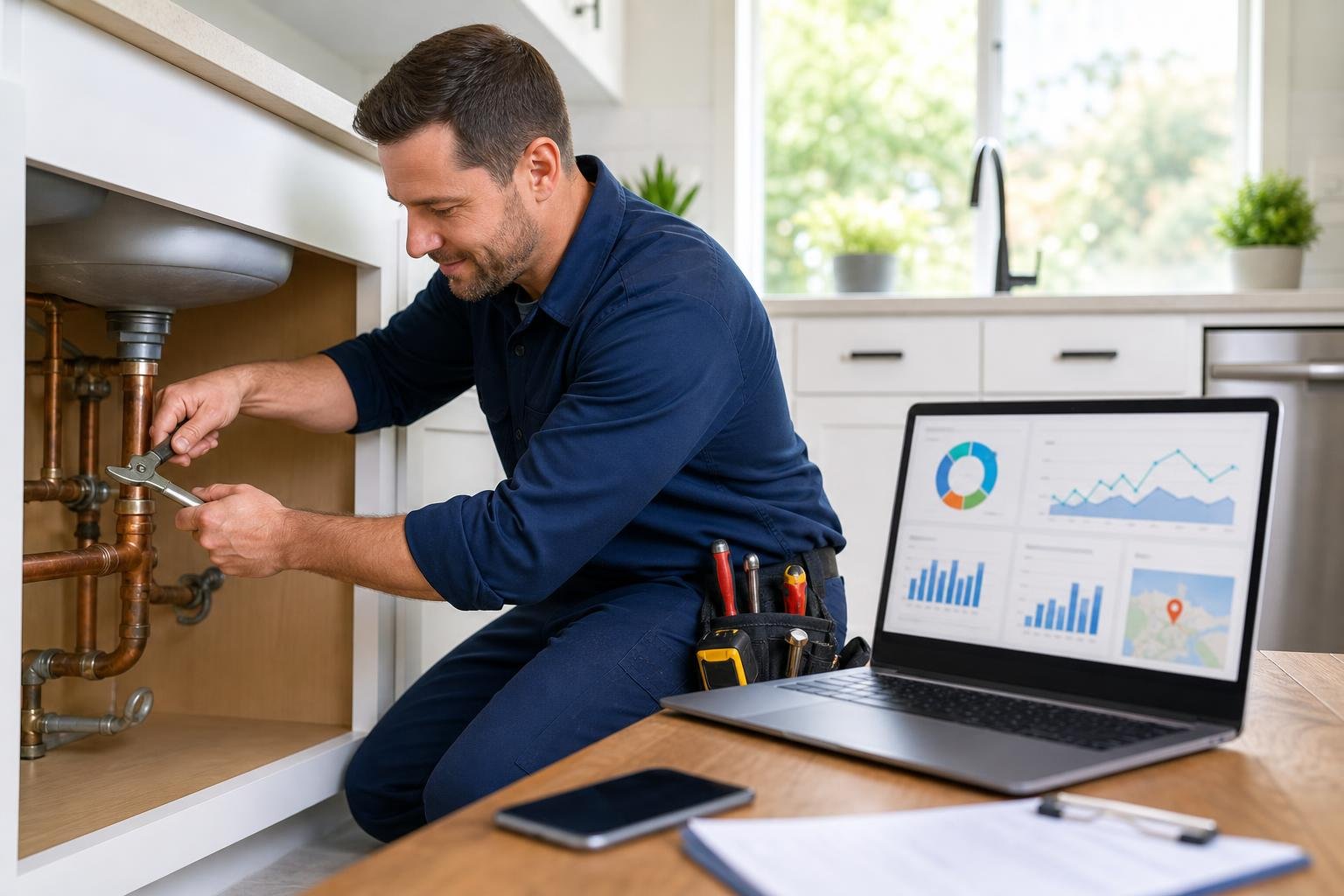
The plumbers investing in online visibility today are the ones filling their schedules tomorrow. This isn’t about chasing vanity stats or burning money on ads that never convert.
It’s about building a digital presence that connects you with people who need help now, in the exact cities and neighborhoods you serve. That’s the real game.
Let’s get into ten concrete reasons why local SEO for plumbers just isn’t optional anymore in Brazoria County and similar markets. Each ties directly to calls, booked jobs, and actual business growth.
If you’re ready to take the next step, SEO My Website Guru is local and offers a 30-Day Results Guarantee. You can reach them at (979) 487-3296 or seomywebsite.guru/contact-us.
Key Takeaways
- Local SEO puts plumbing companies on Google Maps and in the local pack when nearby homeowners search for help.
- A solid Google Business Profile, strong reviews, and service-specific website pages work together to drive qualified leads.
- Measurable results come from tracking calls, direction requests, keyword rankings, and conversions—not guessing.
Show Up When High-Intent Customers Search
Visibility makes or breaks a plumbing business at the moment someone needs help. High-intent searches like "plumber near me" and "emergency plumber" come from urgency, and whoever shows up in the local pack or Google Maps usually gets the call.
Why 'Plumber Near Me' Searches Drive Fast Decisions
When someone types "plumber near me" into Google, they’re not window shopping. They’ve got a problem and want it fixed—yesterday, preferably.
These searches lead to quick decisions. Most people look at the top few results, maybe check reviews, and pick up the phone.
Industry data says 42% of local queries result in clicks on the map pack. Nearly half of searchers choose right from those top three local results. If you’re not there, you’re missing out—plain and simple.
How Google Maps and the Local Pack Capture Emergency Demand
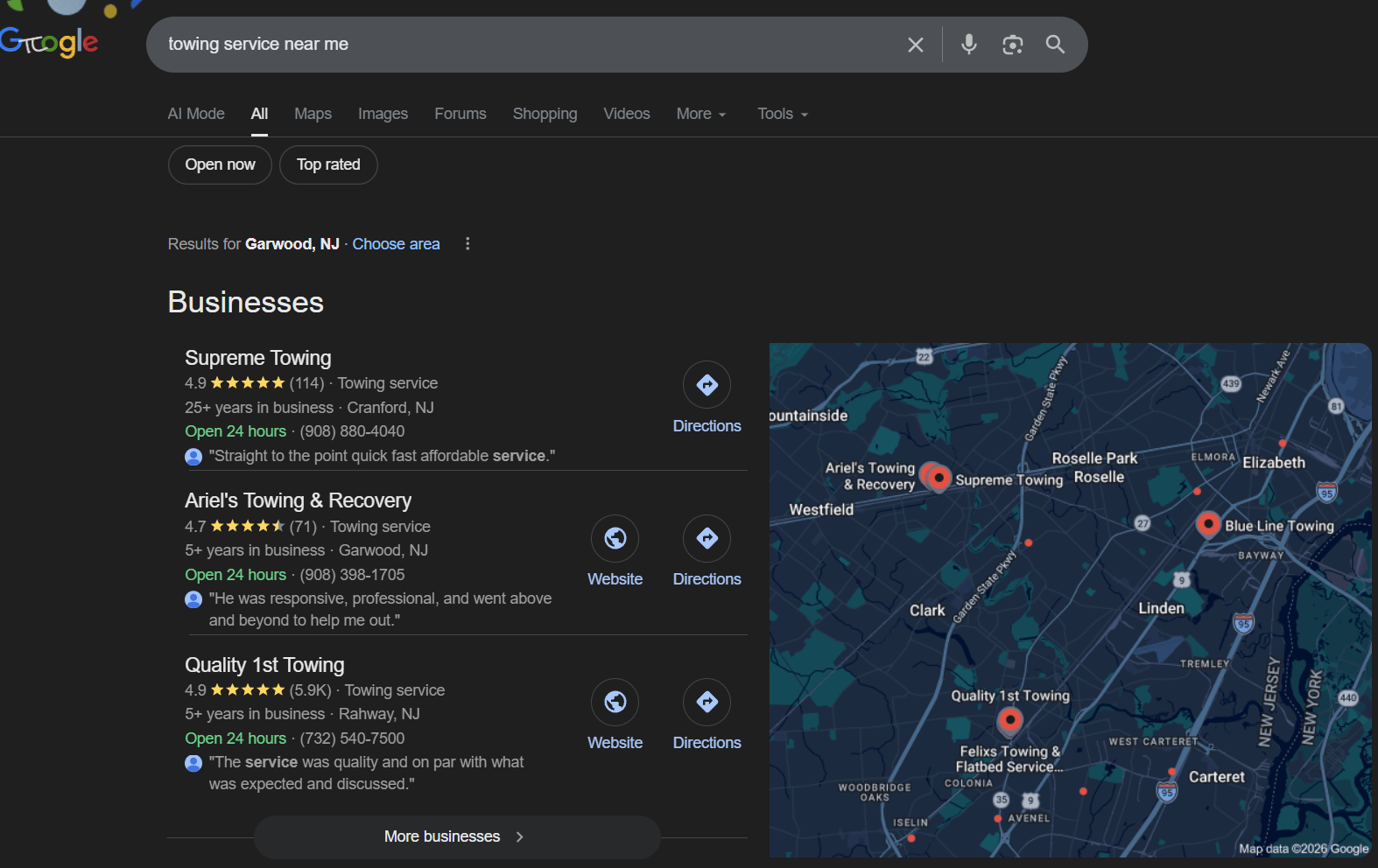
Emergency plumbing calls—burst pipes, gas leaks, sewage backups—are some of the most valuable out there. When someone searches "emergency plumber near me," Google throws the local pack front and center, showing three businesses with reviews, phone numbers, and directions.
Ranking in that pack comes down to three things: how close you are, how relevant your listing is, and how prominent you look based on reviews and trust signals. Plumbers who nail all three show up for emergency searches across their area, not just by accident.
Why Mobile Searches Matter for Emergency Plumbing
Most plumbing searches happen on smartphones. A homeowner with a flooded kitchen isn't sitting at a desktop.
Mobile users want fast-loading pages, tap-to-call buttons, and clear info. Google Maps rankings bring in over 40% of leads for many plumbers, and most of those happen on mobile. If your site loads slowly or looks weird on a phone, people just move on. Mobile optimization isn’t a nice-to-have—it’s a must.
Turn Google Business Profile Into a Lead Channel
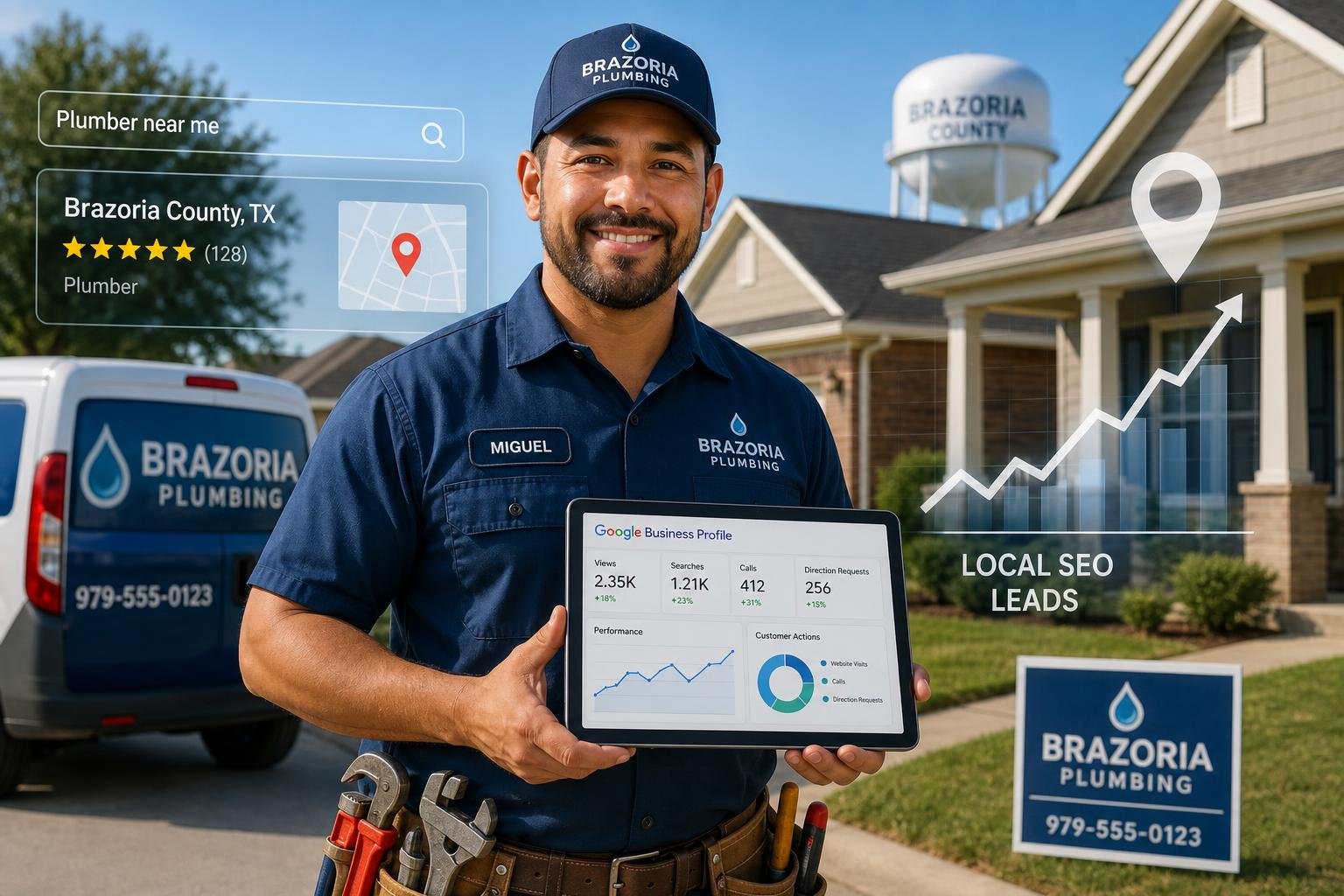
Your Google Business Profile (GBP) can be a lead machine, but only if you actually set it up right and keep it updated. GBP signals make up about 32% of local pack ranking factors. That makes it the most important single piece for local search visibility.
Complete Categories, Services, and Service Area Signals
Set your main category as "Plumber." Add secondary categories like "Drainage Service," "Water Heater Installation Service," and "Septic System Service" to cover more search angles.
Don’t skip the services menu. List out things like drain cleaning, water heater installation, leak detection, pipe repair, and sewer line repair. Add brief descriptions. Each service entry adds keyword relevance. Set a realistic service area—don’t stretch it so far that you lose proximity. Some folks use drive-time mapping to define where customers actually come from.
Use GBP Posts, Photos, and Updates to Stay Active
GBP posts let you share tips, promos, and updates right on your listing. Posting weekly shows you’re active. Google says businesses with photos get 42% more direction requests and 35% more website clicks.
Upload photos of your branded vehicles, techs in uniform, before-and-after shots, and equipment. Fresh visuals build trust before anyone ever calls you.
Track Calls, Clicks, and Direction Requests From Your Listing
Google Business Profile gives you insights on how many people called, asked for directions, or clicked to your website. These numbers show if your GBP is actually working.
Watch these numbers monthly. See a spike in directions after updating your service area? More calls after new photos? That’s real feedback. Pair GBP data with Google Search Console to get the full picture.
Win Trust With Reviews and Reputation Signals
Reviews help you rank higher and get more calls. They influence where you show up in local search and whether people actually choose you. Plumbers who manage their reputation get ahead—no question.
Why Reviews Influence Rankings and Conversion Rates
Reviews make up about 16% of local pack ranking factors. That’s third after GBP signals and on-page SEO. Quantity, quality, recency, and variety all matter.
Reviews also drive conversions. A plumber with 50 glowing reviews and a 4.8-star rating will get more calls than someone with five reviews and a 4.0, even if the latter ranks a spot higher. BrightLocal research says 87% of people read reviews for local businesses before making a decision.
How to Ask for Customer Reviews Without Friction
The best time to ask for a review is right after the job, when the customer’s happy. A quick text or email with a direct link to your Google review page makes it easy.
Don’t offer incentives—Google frowns on that. Just keep it simple. Most plumbers find that a personal ask at the job site, followed by a link via text, gets the best results.
Why Plumbers Should Respond to Reviews Consistently
Respond to every review, good or bad. It shows professionalism and real engagement. Google notices review responses, too. A thoughtful reply to a negative review can turn a skeptic into a fan.
Monitor reviews on Google, Yelp, and the Better Business Bureau. Consistency across these sites builds trust with both customers and search engines.
Build Service Pages That Match How People Search
One generic "Services" page just doesn’t cut it. Search engines and customers want specific answers. If someone searches "water heater installation Brazoria County," they should land on a page for that service—not a laundry list.
Create Individual Plumbing Service Pages for Core Jobs
Each core service needs its own page. At minimum, Brazoria County plumbers should have pages for:
- Drain cleaning services
- Water heater installation and repair
- Leak repair and leak detection
- Sewer line repair and replacement
- Pipe repair and repiping
- Emergency plumbing services
Each page should have a clear heading, describe the service, mention common situations, and include a call-to-action. Adding service schema markup helps Google understand the page, which can boost visibility.
Use Local Keywords on Location Pages Without Keyword Stuffing
Location pages let you target specific cities or neighborhoods. A page for "drain cleaning in Lake Jackson" or "water heater repair in Pearland" lines up with how real people search.
Keep it natural. Use the city and service in titles and headings, but write the body copy for humans, not robots. Local keyword research tools can show which terms get the most searches in your area, so you know what to prioritize.
Add Click-to-Call and Forms Where Customers Are Ready to Act
If your service page explains the work but makes it tough to get in touch, you’re losing leads. Every page should have a visible click-to-call button and a short form.
Put them near the top and again at the bottom. Mobile users especially expect to tap a number and call right away. Forms are great for non-urgent requests, like quotes or scheduled maintenance. Make it easy for visitors to become customers—don’t make them hunt for a way to reach you.
Strengthen Local Authority Beyond Your Website
Local authority isn’t just about your website. It grows when you show up consistently in directories, earn backlinks from trusted local sources, and engage with your community. These signals tell Google you’re legit, active, and truly part of the area you serve.
Keep NAP Consistency Across Local Listings and Directories
NAP stands for Name, Address, and Phone number.
Every listing—whether it's Google, Yelp, HomeAdvisor, Thumbtack, Angie's List, Yellow Pages, or the Better Business Bureau—needs to show the exact same business information.
Inconsistent NAP data throws search engines off and chips away at trust. Even tiny differences, like "Rd" instead of "Road" or leaving out a suite number, can mess things up.
Local citations and backlinks work together to prove a business is legit, but only if the info is spot-on.
Earn Local Backlinks From Community and Industry Sources
Backlinks from local websites make a real difference in local search rankings.
If you're a plumber in Brazoria County, you can earn local backlinks by sponsoring events, joining business associations, sharing expert tips with community publications, or teaming up with other home service providers.
A link from the Brazoria County Chamber of Commerce or a news story about a community project packs way more local punch than a random directory listing.
Plus, these links send you traffic from people who already care about the area.
Compete With Lead Platforms Without Depending on Them
Platforms like HomeAdvisor, Thumbtack, and Angie's List can bring in leads, but there's a catch—per-lead fees, shared leads, and you don't really own the customer relationship.
With strong local SEO, a plumber can show up right alongside (or above) these platforms in search results and grab leads directly.
When your own website and Google Business Profile rank well, you get leads without paying a middleman.
Sure, listings on those platforms help with citations and visibility, but honestly, the goal is to rely on them less over time—not more.
Make the Website Convert and Prove ROI
Ranking high doesn't mean much if your website can't turn visitors into phone calls or booked jobs.
Your plumbing website should load fast, work flawlessly on mobile, meet technical SEO basics, and show clear data that proves its worth. This is where plumbing SEO actually connects to business growth.
Why Website Speed and Mobile Optimization Affect Rankings and Calls
Google looks at page speed as a ranking factor, and let's face it—slow sites lose visitors before the page even loads.
A plumbing site should load in under three seconds. Tools like PageSpeed Insights can point out exactly what's slowing things down.
Mobile-friendly, responsive websites aren't optional anymore.
Most plumbing searches happen on phones, and if your site makes people pinch and zoom, they'll bail for a competitor with a smoother mobile experience.
SEO My Website Guru builds sites that are mobile-first, quick to load, and focused on getting calls—so your local rankings actually turn into real business.
Use Technical SEO and Schema to Support Visibility
Technical SEO deals with all the behind-the-scenes stuff that helps search engines crawl, index, and understand your site.
For plumbers, the basics include:
- HTTPS/SSL certificate for security and trust
- Clean URL structure for service and location pages
- Schema markup for local business, services, and reviews
- Proper heading hierarchy(H1, H2, H3) on every page
- No broken links or duplicate content
Schema markup matters a lot for plumbing companies. It helps search engines show rich results—like star ratings, service types, and business hours—right in the search listings.
This can boost click-through rates even if you’re not in the top spot.
Measure What Matters With Clear Reporting and Search Data
No plumbing company should have to guess if their SEO is working.
Google Analytics tracks website traffic, what users do, and when they submit a form or call.
Google Search Console reveals which searches bring impressions and clicks.
Tools like BrightLocal and Semrush dig deeper by tracking local rankings, citation accuracy, and what competitors are up to.
Good local SEO reporting should include geo-grid analysis that shows map pack visibility across your service area—not just a single ranking from one spot.
SEO My Website Guru offers transparent reporting tied to these exact metrics, with a 30-Day Results Guarantee that real, measurable progress will show up in the data.
Frequently Asked Questions
Why is local SEO essential for plumbers serving Brazoria County?
Brazoria County keeps growing, and more plumbing companies are fighting for the same customers.
Local SEO decides who shows up when someone in Lake Jackson, Pearland, Angleton, or Clute searches for plumbing help. Without it, a plumbing company just doesn't show up for the people searching online right now.
How does local SEO help a plumbing business rank in Google Maps and the local pack?
Local SEO tunes the signals Google uses to pick which businesses show up in the local pack: how close you are to the searcher, how relevant your profile and website content is, and how prominent you are based on reviews, citations, and backlinks.
With a dialed-in Google Business Profile, a solid website, and consistent citations, plumbers give themselves the best shot at landing in those top three map spots.
What are the three core pillars of local SEO and how do they apply to plumbing companies?
You've got relevance, proximity, and prominence.
Relevance means your business profile and website spell out exactly what plumbing services you offer. Proximity is just how close you are to the person searching. Prominence comes from trust signals—review count, review quality, citation consistency, and backlink strength. Plumbing companies who invest in all three see the best local search results.
Which Google Business Profile optimizations most improve local visibility for plumbers?
The biggest wins come from picking the right primary and secondary categories, filling out the services menu with specific jobs like drain cleaning or water heater installs, setting a real service area, uploading fresh photos, and posting on GBP every week.
Each of these steps boosts your profile's relevance and shows Google you're active and engaged.
How do online reviews and local citations impact a plumber's local search rankings?
Online reviews account for about 16% of local pack ranking factors, affecting both where you show up and how likely people are to call.
Local citations—consistent mentions of your business name, address, and phone number on sites like Yelp, HomeAdvisor, and the Better Business Bureau—prove your business is real. Strong reviews and accurate citations together build the prominence signals Google trusts when ranking local businesses.
What local SEO metrics best indicate whether a plumbing company is generating more calls and leads?
Some of the most telling metrics come straight from your Google Business Profile—calls, direction requests, and website clicks. You can also look at Google Search Console for impressions and click-through rates on local keywords.
Don’t forget website form submissions and tracked phone calls in Google Analytics. Geo-grid ranking data helps too, showing where you show up in the map pack across your whole service area.