
SEO My Website Guru SEO Blog


By Frank Jones January 2, 2026

Local search keeps evolving, but it’s definitely not dead. Businesses still battle for local customers who want fast answers, clear options, and trustworthy local choices.

Search tools now blend maps, AI summaries, and reviews into a single decision path. It’s a lot for any business to keep up with, honestly.

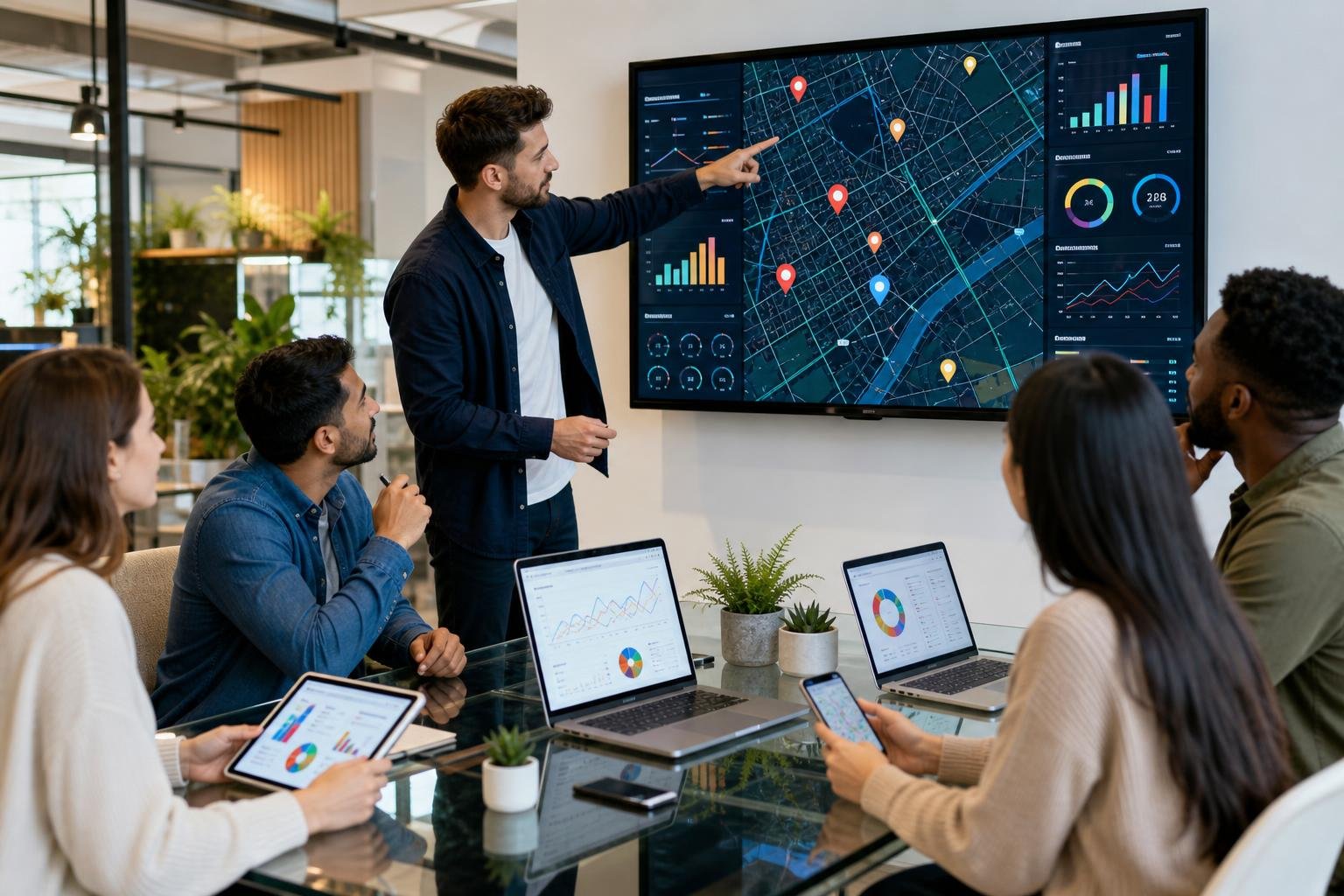
A group of professionals collaborating around a digital screen displaying SEO data and maps in a bright modern office.

Local SEO still matters in 2026 because it helps real businesses show up where decisions happen. Google Business Profiles , fresh reviews, and accurate location signals drive visibility on maps, mobile, and AI results.

Companies that stay active get steady attention, while others just fade out. Firms like SEO My Website Guru see this shift all over Brazoria County—in Lake Jackson, Freeport, Angleton, and Pearland.

Local SEO now rewards accuracy, activity, and real-world trust instead of old-school tricks.

Key Takeaways

  • Local SEO still drives visibility for nearby searches in 2026.
  • Trust signals like profiles, reviews, and local mentions matter more.
  • Clear tracking helps businesses adapt to new local search trends.

Is Local SEO Still Relevant In 2026?

A group of professionals working together around a table with digital devices showing charts and maps in a modern office with a city view.

Local SEO still plays a big part in how people find services nearby in 2026. AI-driven search, voice queries, and strong local intent now shape results across maps and AI overviews.

How AI and Voice Search Are Shaping Local SEO

AI search tools answer tons of local questions without even a click. AI overviews pull info from Google Business Profiles, reviews, websites, and third-party sources.

Businesses with complete and accurate local data pop up more in those summaries. Voice search takes this even further.

Voice queries sound natural and include details like hours, location, and availability. People ask things like “Which pharmacy near me is open now?”

Local SEO supports these answers with clear business info, updated hours, and real customer reviews. AI-driven search loves consistency.

When names, addresses, services, and categories match everywhere, AI trusts your business data more.

The Impact of Local Intent on Search Results

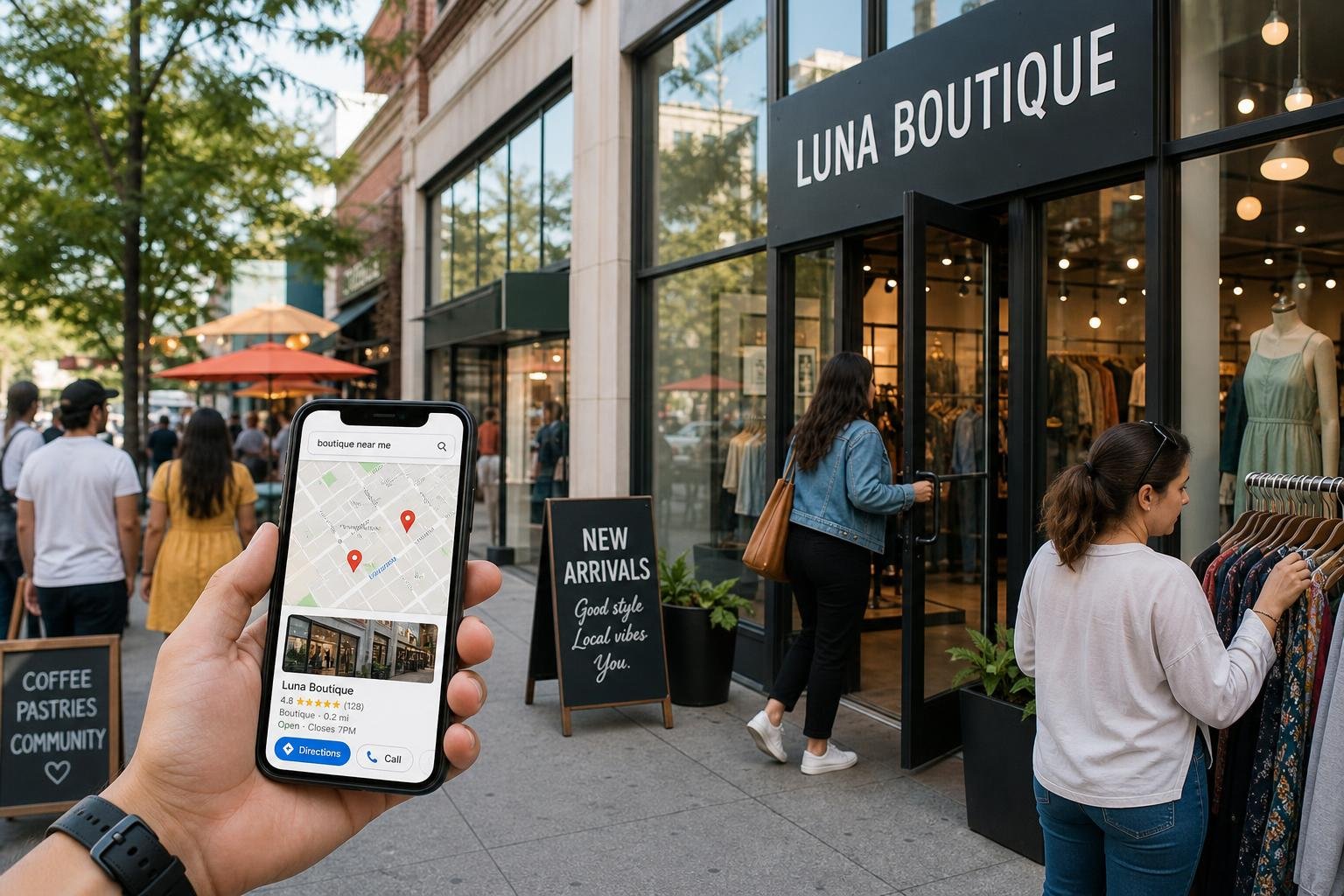
Local intent is still one of the strongest signals in search. If someone searches for a service with “near me,” a city, or a neighborhood, search engines show nearby options first.

Results can change even within the same city. Distance, relevance, and local activity all play a part.

Search systems now adjust results based on the user’s exact location and even the time of day. Key signals that support local intent include:

  • Accurate location data
  • Recent reviews with clear details
  • Photos tied to the physical location
  • Activity on Google Business Profiles

Local SEO helps search engines confirm a business actually fits what the user needs at that moment.

Local SEO Versus Organic SEO in the Age of AI

Local SEO and organic SEO serve different, but connected, purposes. Organic SEO covers broad topics and long-form content.

Local SEO is about immediate, place-based needs.

Focus Area Local SEO Organic SEO
Primary goal Nearby visibility Topic authority
Key signals Location, reviews, GBP Content depth, links
AI usage Maps, AI overviews AI summaries, answers

Search generative experience systems often blend both. A strong local presence feeds AI answers, while solid organic SEO builds trust behind the scenes.

Businesses with foot traffic really can’t skip local SEO if they want to compete in AI-driven search.

Evolving Role of Google Business Profile

A group of business professionals collaborating around a digital screen showing local business data and maps in a modern office.

Google Business Profile is front and center for how local businesses show up in map results and the local pack. In 2026, profile quality, activity, and user interaction directly affect visibility, trust, and leads from local listings.

Key GBP Features for 2026

Google Business Profile acts more like a small website now than just a listing. You don’t control much design, but accuracy and structure are more important than ever.

Key features that influence local visibility include:

  • Service list and predefined services that match your actual offerings
  • Fresh photos showing recent work, staff, and locations
  • Accurate hours, categories, and attributes
  • Product and service highlights that show up in map results

Google pulls all this data into AI summaries, map results, and the local pack. Incomplete or stale profiles lose exposure.

Businesses that treat GBP as a core part of their web strategy get better placement than those who just fill out the basics.

Increasing Engagement and Interaction

User engagement signals play a much bigger role in local ranking and conversions now. Google tracks how people interact with your profile, not just whether it exists.

Important engagement actions include:

  • Direction requests from map results
  • Click-to-call activity on mobile
  • Profile views and photo taps
  • Review reads and responses

Consistent engagement tells Google your listing is useful. Businesses should upload new photos, answer questions, and respond to reviews to keep things active.

These actions boost trust and improve your odds of showing up in the local pack, especially for service-based businesses.

Harnessing Booking and Messaging Integrations

Booking integrations and messaging tools make it easier for customers to act right from your GBP listing. Many people never bother with your website if they can do everything from Google.

High-impact integrations include:

Feature Benefit
Booking integrations Drive appointments without page visits
Google Messaging Enable fast, direct customer contact
Click-to-call buttons Capture high-intent mobile leads

These tools help people decide faster and improve their experience. When you pair them with local business schema on your website, it sends a consistent signal across listings.

Businesses that use and monitor these features scoop up more leads from map results—no extra ad spend needed.

Reviews and Reputation in Local SEO

A group of business professionals collaborating around a conference table with digital screens showing data and maps related to local search trends.

Reviews shape local visibility and trust in 2026. Search platforms weigh review volume, freshness, and sentiment, then reflect those signals in maps, listings, and AI summaries.

Businesses that manage reviews with care build local authority and steady engagement.

Review Volume and Freshness

Search systems favor businesses with steady review volume and recent activity. A slow, regular flow signals real customers and ongoing service quality.

Old reviews still count, but fresh ones matter more for rankings and clicks. Short gaps can hurt momentum.

Regular requests after each job keep listings active without weird spikes that look fake.

What matters most

  • Recent reviews: New posts show current performance.
  • Consistent pace: Weekly reviews beat big monthly bursts.
  • Balanced ratings: High averages with honest detail build trust.

Testimonials also support local authority when businesses reuse them on service pages. Using review language that matches real services helps with relevance, no keyword stuffing needed.

AI Summaries and Sentiment Analysis

AI summaries pull signals from reviews to answer local questions. These systems look at sentiment, topics, and location mentions—not just star ratings.

Positive tone and clear service details improve how AI presents your business. Reviews that mention the service and area help AI connect you to nearby searches.

Vague praise doesn’t help much. Clear, specific feedback boosts your odds of getting featured in AI summaries for the right searches.

How AI reads reviews

  • Sentiment: Positive or negative tone
  • Topics: Speed, price, staff, results
  • Context: City, neighborhood, service type

Effective Review Response Strategies

Active responses improve engagement and add fresh content to your listings. Businesses should reply to every review, even the bad ones, using calm and direct language.

Responses work best when you thank the reviewer, confirm the service, and mention the location. This keeps things relevant and shows you care.

Response best practices

  • Thank the reviewer by name.
  • Mention the service in simple terms.
  • Address issues and invite offline follow-up.
Review Type Response Focus
Positive Gratitude and service details
Neutral Clarification and support
Negative Acknowledge, resolve, follow up

Consistent responses reinforce trust and signal strong engagement to search platforms.

Mobile and Voice Experiences

A modern workspace with a smartphone, smart speaker, and laptop showing local search data and analytics.

Local search in 2026 really depends on how well a business serves people on phones, through voice tools, and with visual content. Google and AI tools favor listings and pages that load fast, answer clear questions, and support real actions like calls and direction requests.

Optimizing for Mobile Users

Mobile users want speed and simplicity. Pages need to load fast, show clear text, and fit small screens.

Menus, buttons, and forms should have big tap areas. If pages are slow or broken, people lose trust and leave.

A strong mobile experience encourages action. Put call buttons, maps, and direction requests right at the top.

Keep content short and easy to scan. Long walls of text? People just scroll past.

Key mobile priorities include:

  • Fast load times on cellular networks
  • Simple navigation with few taps
  • Click-to-call and map links
  • Clear hours, services, and prices

Google expects a solid mobile experience now. If businesses skip it, they just won’t show up in local results.

Voice search sounds like real conversation, not keyword strings. People say things like, “open now” or “near me with parking.”

Content should match how folks actually talk. Voice queries often include intent, time, and location.

Accurate business info is crucial. Voice tools grab hours, services, and details from your listings.

If you’re missing info, you’re less likely to get picked. Reviews help too—they answer real-world questions for searchers.

Helpful steps include:

  • Writing short, direct answers on service pages
  • Keeping hours and services updated
  • Using plain language, not marketing terms

Voice and mobile search go hand in hand. People want quick answers, calls, or directions—no patience for fluff.

Visual search is shaping how people choose locally. Folks compare photos, videos, and maps before they ever visit.

Clear images help users know they’ve found the right spot. Businesses should post location-specific photos —think storefronts, interiors, menus, and staff.

Short videos can show off your vibe way better than text. People love seeing the atmosphere for themselves.

To support visual and multimodal search:

  • Upload recent, real photos
  • Add short videos to profiles
  • Use clear file names and alt text

Visual content helps mobile users and AI tools. It also gets you more taps, calls, and direction requests.

Local Content and Hyperlocal Optimization

A group of business professionals collaborating around a digital touchscreen table displaying maps and data in an office with a cityscape view.

Local search in 2026 rewards real ties to specific places. Clear local content , structured data, and smart internal links help match your business to local intent.

Creating Hyperlocal and Community-Relevant Content

Hyperlocal content zooms in on neighborhoods, streets, and landmarks—not just whole cities. If you create pages for actual places, you’ll connect better with the community.

Effective hyperlocal content includes:

  • Local keywords tied to services and locations
  • Mentions of nearby landmarks, schools, or transit stops
  • Coverage of local events, sponsors, or partnerships

Answer practical questions, like parking, service areas by block, or seasonal needs. Local photos and videos add trust and context.

Search systems now compare your content with reviews and profiles. If your language matches how locals talk and search, you’ll stand out. City-wide pages just can’t compete with detailed neighborhood ones anymore.

Leveraging Structured Data and Schema

Structured data lets search engines read your local content easily. It connects services, locations, hours, and reviews in a way machines understand.

In 2026, this is huge for AI summaries, maps, and voice results. Key structured data types include:

  • LocalBusiness schema with accurate NAP details
  • Service and product schema for key offerings
  • Review and rating markup for recent feedback

Well-maintained structured data backs up your Google Business Profile and local pages. It cuts down on conflicts between listings and websites.

Schema should match what’s visible on your site. If there’s a mismatch, you risk trust issues and lower rankings.

Internal Linking and Location Pages

Internal links help both users and search engines. They show how your services connect to locations and neighborhoods.

Strong links make important pages rank faster. Best practices include:

  • Linking service pages to relevant location pages
  • Using clear anchor text with local keywords
  • Avoiding orphan pages with no internal links

Each location page needs a real purpose and unique details. Don’t just copy and paste text.

Useful elements: service coverage, photos, directions, and local testimonials. A simple structure works best:

Page Type Links To
Main Location Neighborhood pages
Neighborhood Service pages
Service Related locations

This setup keeps things clear and helps with local relevance.

A group of business professionals working together around a table with laptops and tablets showing charts and data in a modern office with a city view.

Search engines judge local businesses by trust signals that show real-world presence. Backlinks, citations, and relationships confirm you actually operate and serve your community.

Backlinks still matter for local rankings, but local backlinks are worth way more than generic ones. Search engines love links from sites in the same city or region.

Sources like local news, chambers of commerce, schools, and nearby businesses are gold. One strong local link beats a pile of weak ones any day.

Local backlinks work best when they’re natural and earned—think event sponsorships, guest articles, or mentions in local coverage.

High-value local backlink sources:

  • Chambers of commerce
  • Local newspapers and blogs
  • Nonprofits and community groups
  • Business partners and suppliers

Quality and context matter more than just getting a bunch of links.

Citations and Directory Consistency

Citations list your business name, address, and phone across the web. They help search engines double-check your info and location.

In 2026, consistency is everything. Listings need to match—right down to the formatting.

Even small differences can weaken trust and hurt your map visibility. Stick to credible, up-to-date platforms that search engines already trust.

Key citation priorities:

  • Accurate business name , address, and phone number
  • Same formatting across all listings
  • Updates after moves, rebrands, or phone changes

Citations back up your local authority by reinforcing stable business data.

Online PR and Community Partnerships

Local PR builds authority by getting attention from real organizations. Mentions from trusted sources usually come with backlinks and brand signals.

Community partnerships create those chances. By supporting events, charities, or local programs, businesses get exposure and trust.

It’s about real involvement, not just promotion. Search engines can tell the difference.

Effective local PR activities:

  • Sponsoring local events
  • Partnering with nonprofits
  • Participating in community projects
  • Sharing expert insights with local media

Online PR ties your digital presence to real community engagement. That’s what builds authority.

A modern office with professionals analyzing SEO data on computer screens and discussing local search trends.

Local SEO in 2026 relies on real actions, clear data, and AI exposure. Businesses keep an eye on how people interact, where they rank, and how AI shows their brand.

Behavioral and Real-World Popularity Signals

Search engines now care about what people do, not just what’s on the page. Foot traffic, calls, messages, and bookings all signal local popularity.

Actions on your Google Business Profile—like direction requests and photo views—matter more than just impressions. Reviews influence local search ranking factors through detail and tone, not just star ratings.

Common signals to watch include:

  • Store visits and check-ins
  • Call volume and message replies
  • Review freshness and sentiment
  • Photo uploads and views

Local Services Ads (LSA) add another layer. Lead quality, response speed, and close rate affect visibility and cost, so paid performance links directly to local trust.

Measuring Local Rankings and Visibility

Rank tracking in 2026 is all about place and context. Results change by block, device, and even time of day.

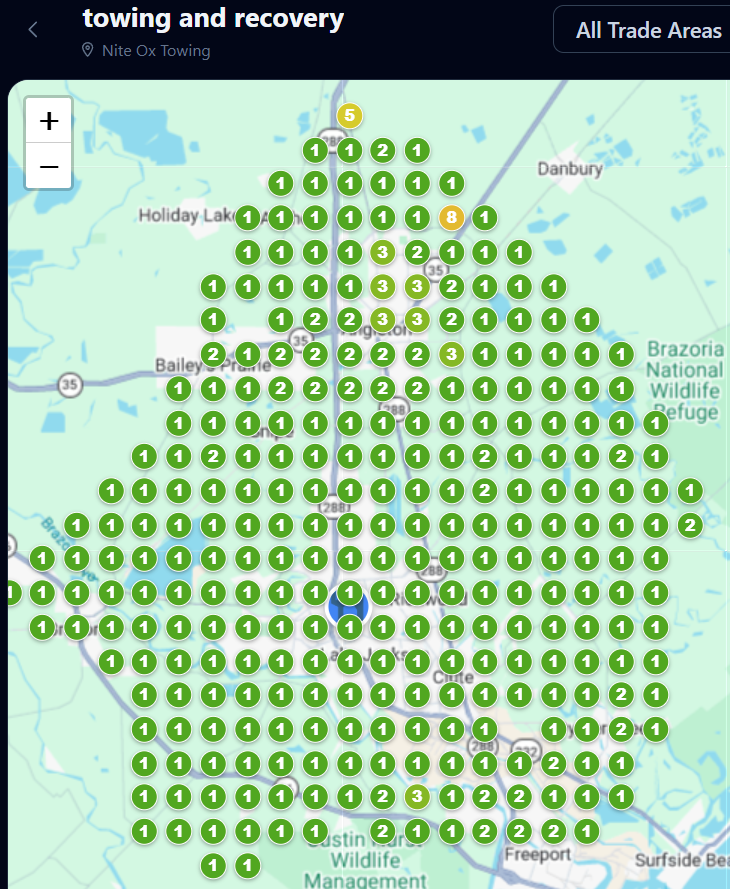
Tools like Whitespark offer geo-grid tracking to show exactly where you appear across neighborhoods.

Key metrics go beyond just position:

  • Presence in the local 3-pack
  • Map views versus search views
  • Actions taken from listings
  • LSA impression share and leads

A simple view helps teams act faster:

Metric Why It Matters
Geo-grid rank Shows hyperlocal gaps
GBP actions Reflects user intent
LSA leads Proves service demand

These signals together reveal your true local visibility—not just your rank.

Adapting to AI-Powered Search Developments

AI assistants now answer local questions right away. AI visibility depends on clean data and clear services.

Profiles with complete hours, attributes, menus, and photos show up more in AI-driven results. Web pages still matter, but AI pulls from everywhere.

Consistent names, addresses, and services help AI trust your brand. Content that answers specific needs—like hours or availability—works best.

Businesses track:

  • Mentions in AI summaries
  • Traffic quality from AI referrals
  • Conversions after AI exposure

As AI filters more choices, you get fewer clicks but higher intent. Local SEO stays relevant by syncing data, behavior, and trust signals across search, maps, and ads.

Frequently Asked Questions

Local SEO in 2026 comes down to accurate business data, strong on-site content, and real user engagement. AI-driven search, mobile habits, pricing, and new performance metrics all shape how businesses approach local visibility now.

How has Google's algorithm updates impacted local SEO strategies in 2026?

Google puts more weight on Google Business Profile accuracy now. Business hours, services, and address details matter a lot more than they used to.

Rankings change depending on whether a business is open when someone searches. That’s made real-time info way more important for local businesses.

Website content plays a bigger role in local organic results and even in those new AI‑generated answers. Clear service pages and structured headings help a ton.

Helpful FAQs give sites a boost, too. It’s all about making info easy to find for both people and algorithms.

What advances in mobile search have influenced local SEO practices this year?

Mobile search prefers fast-loading pages and simple layouts. If a site’s slow or cluttered, engagement drops and local performance takes a hit.

Location‑based signals have gotten stronger on mobile. Map clicks, driving directions, and tap‑to‑call actions all tell Google you’re relevant.

How do pricing packages for SEO services reflect the importance of local SEO today?

SEO packages often split local SEO from general SEO now. Pricing usually covers Google Business Profile management, review help, and local content updates.

Some higher‑tier packages add local service ads or map rank tracking. Review monitoring’s pretty common, too, since keeping up with it all takes ongoing work.

What role does local SEO play in a business's overall digital marketing strategy?

Local SEO brings in high‑intent traffic—people who are ready to call, visit, or book. It works with paid ads, social media, and email, not instead of them.

Good local visibility builds trust. Reviews, accurate listings, and local mentions help your brand look more legit everywhere.

How has the rise of voice search affected local SEO tactics?

Voice searches usually include location and intent, like “near me” or “open now.” Businesses with accurate hours and clear service info do better here.

Short, direct answers on websites help voice assistants find the right info. FAQ sections and natural language phrasing really make a difference.

What are the latest local SEO metrics and KPIs businesses should focus on in 2026?

Let’s talk about what actually matters for local SEO these days. Google Business Profile views, actions, and engagement trends—they’re still front and center.

Calls, direction requests, and profile interactions usually mean people are genuinely interested. That’s a good sign you’re not just getting empty clicks.

Reviews play a big role too. Recency, how quickly you respond, and the overall vibe or sentiment in your reviews can really sway potential customers.

On your website, keep an eye on local organic traffic. Service page engagement and conversion rates are still big indicators of what’s working (and what’s not).

Man in suit and glasses in office setting, looking forward.

About the Author:
Frank is the founder of SEO My Website Guru, a local SEO agency specializing in Map Pack rankings and organic growth for service-based small businesses. Drawing on years of hands-on experience testing real campaigns, auditing sites, and tracking thousands of keywords, he focuses on what actually drives calls, leads, and revenue—not vanity metrics. Frank regularly documents processes, runs data-backed experiments, and uses transparent reporting so business owners always know what’s happening and why. His approach is simple: ethical, evidence-based SEO that’s built to earn trust and long-term results.


Get A Free SEO Audit Today

Let's find out what is holding you back from success!!

Insights to fuel your marketing business

Sign up to get industry insights, trends, and more in your inbox.

Contact Us

SHARE THIS

Latest Posts

Google search engine homepage, white background, colorful logo, search bar.
By Frank Jones December 4, 2025
Learn how local SEO connects your website, Google Business Profile, and local listings so nearby customers find and choose your business in search and Maps.
Person in a white t-shirt and camouflage hat working on an AC unit outdoors.
By Frank Jones November 27, 2025
When someone in Brazoria County searches for a plumber, HVAC technician, or tow truck, they usually need help fast. Most people pick one of the first three businesses that show up in Google's Map Pack.
White lightbox with text
By Frank Jones November 4, 2025
Learn how to rank higher in local search with this step-by-step DIY local SEO guide. Boost your visibility, attract customers, and dominate Google Maps.
Tiles spelling
By Frank Jones November 2, 2025
Discover the key differences between organic and paid search, how each drives traffic, and why combining both can maximize your online visibility.
Hands connecting metal pipes with a wrench, against an insulated wall.
By Frank Jones October 24, 2025
Why Brazoria County Plumbers Need Local SEO
Man inspecting an air conditioning unit with a flashlight outside a house.
By Frank Jones October 6, 2025
Discover why local SEO is essential for HVAC businesses to attract nearby customers, rank higher in Google’s Map Pack, and stay ahead of competitors in your service area.
Giant white statue of a man, likely historical figure, stands on a pedestal in grassy field with asphalt paths.
By Frank Jones October 6, 2025
Learn how digital marketing and local SEO differ — and why Brazoria County businesses need both. Discover which strategy drives more local leads, visibility, and long-term growth.
Google Business Profile illustration with store, map pins, and data charts.
By Frank Jones October 5, 2025
Boost your local rankings with proven Google Business Profile optimization tips. Learn how to attract more customers, improve visibility, and stand out in the local Map Pack.
People analyzing a map with location markers, graphs, and Google logo on a screen.
By contact September 12, 2025
Local businesses today face tough competition when customers search for services online. Getting found on Google Maps can make the difference between a busy business and one that struggles to attract customers. Hiring a Google Maps SEO expert gives your business the specialized skills needed to rank higher in local searches and attract more customers […] The post Google Maps SEO Services 10 Reasons To Hire One: Essential Benefits for Local Business Growth appeared first on SEO My Website Guru.
Show More