

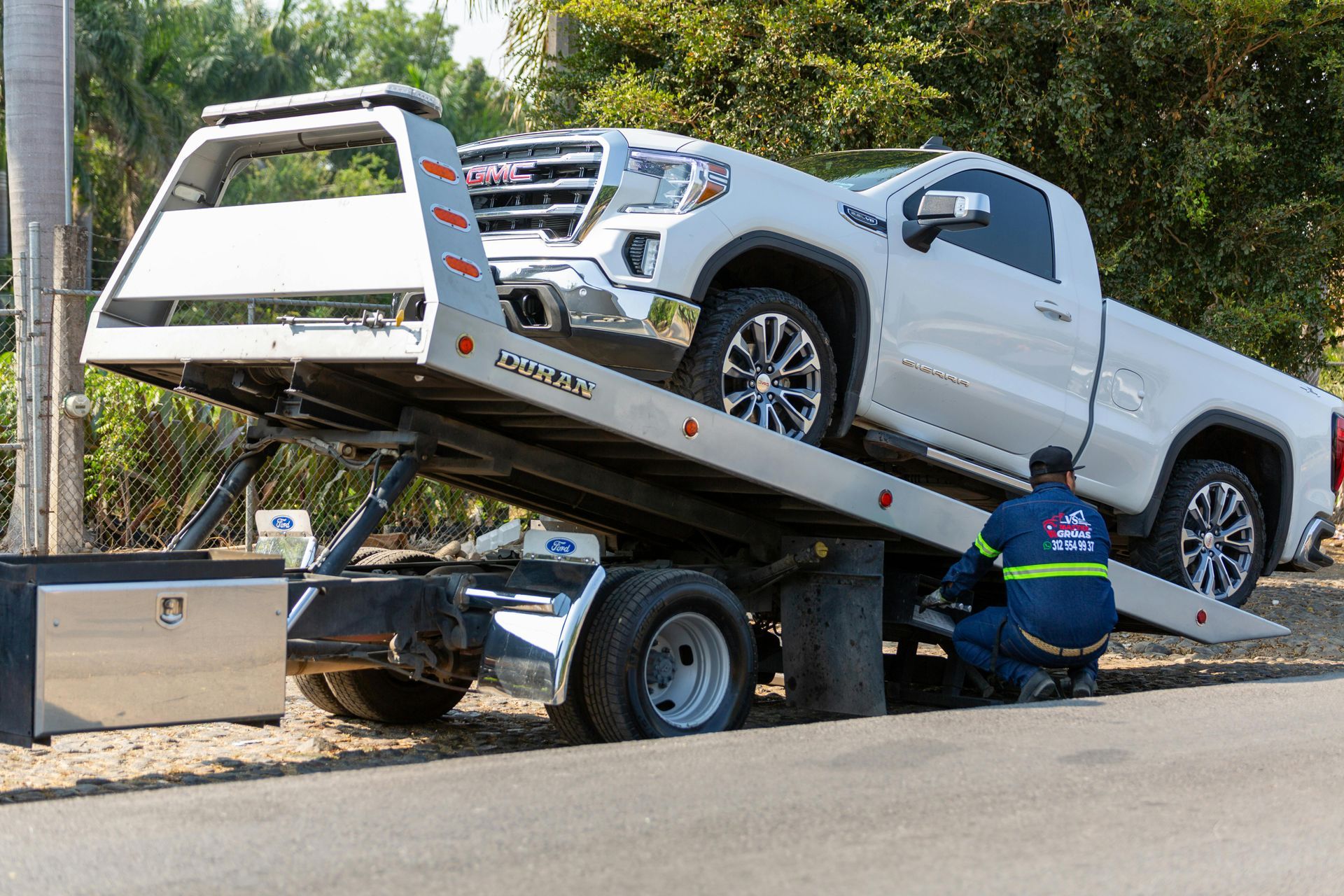
Local SEO for Towing Companies That Drives Calls
Local SEO for towing companies is hands-down the most effective way to turn those late-night Google searches into phone calls from stranded drivers. When someone types "tow truck near me" at 2 a.m. on the side of a highway, they're not looking for options—they're picking the first credible name they see.
The towing companies that show up in the local map pack and Google Maps get the call. The rest? They miss out, plain and simple.
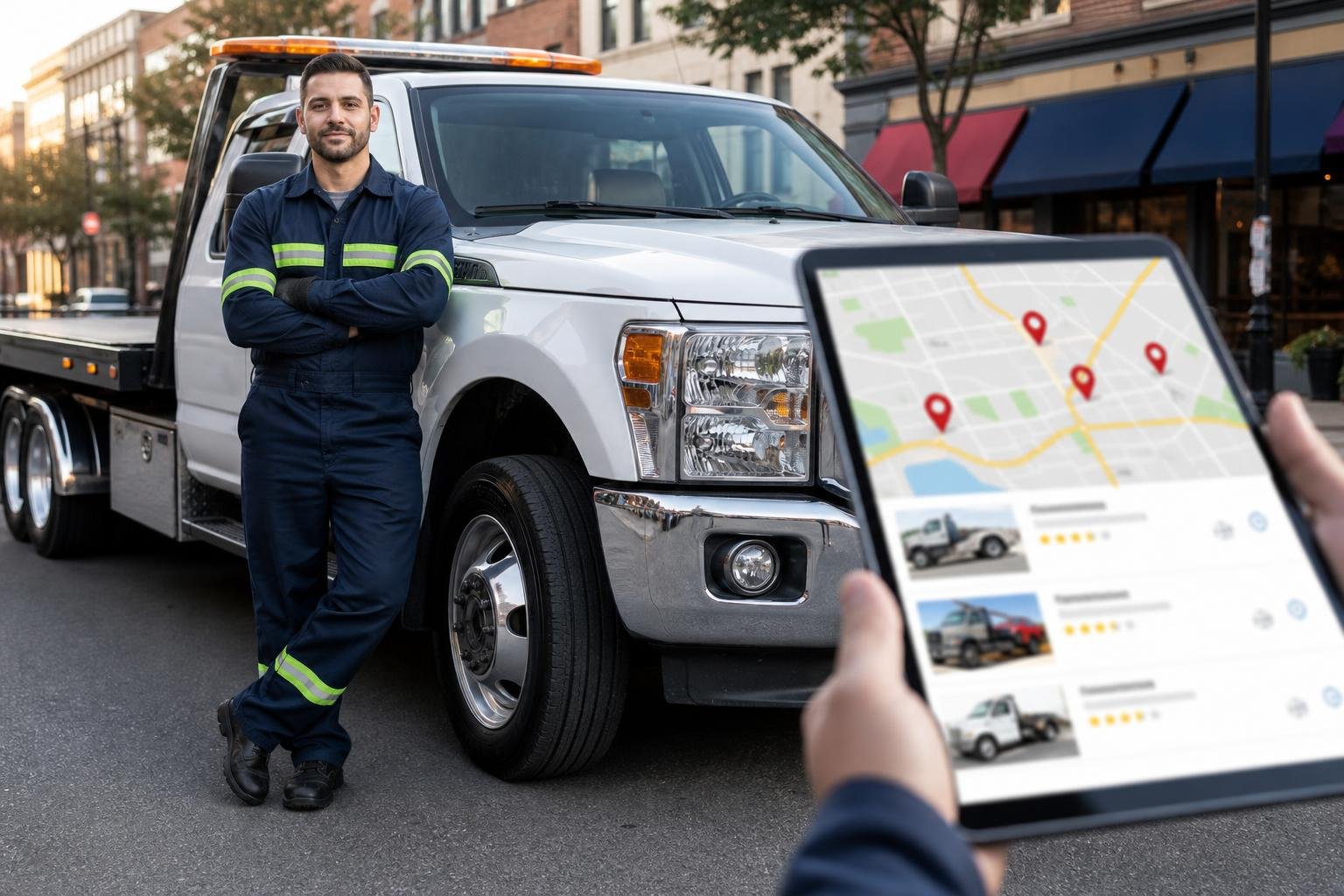
If a towing company doesn't show up in local search results for its own area, it's basically handing business to the competition every single day. There's a huge gap between ranking in the top three map pack spots and being fifth or sixth—it's really the difference between a ringing phone and dead silence.
This guide lays out what local search visibility actually takes for towing businesses. We'll cover Google Business Profile setup, NAP consistency, service-page structure, mobile conversion design, and the technical basics that keep rankings strong over time.
We'll also touch on what real SEO help should look like, so you can spot the difference between genuine value and empty promises. If you're a towing company in Brazoria County or nearby and want some hands-on help, SEO My Website Guru offers a free consultation with a 30-Day Results Guarantee. Not a bad deal.
Key Takeaways
- Towing searches are urgent and hyperlocal, so ranking in the Google Maps local map pack is the main driver of new calls and leads.
- A strong local search foundation means a fully optimized Google Business Profile, consistent business listings, service-specific pages, and a mobile-first website that actually converts.
- Business owners should expect honest reporting, geo-grid analysis, and measurable ROI from any SEO provider—not just vague promises.
Why Towing Companies Win or Lose in Google Maps
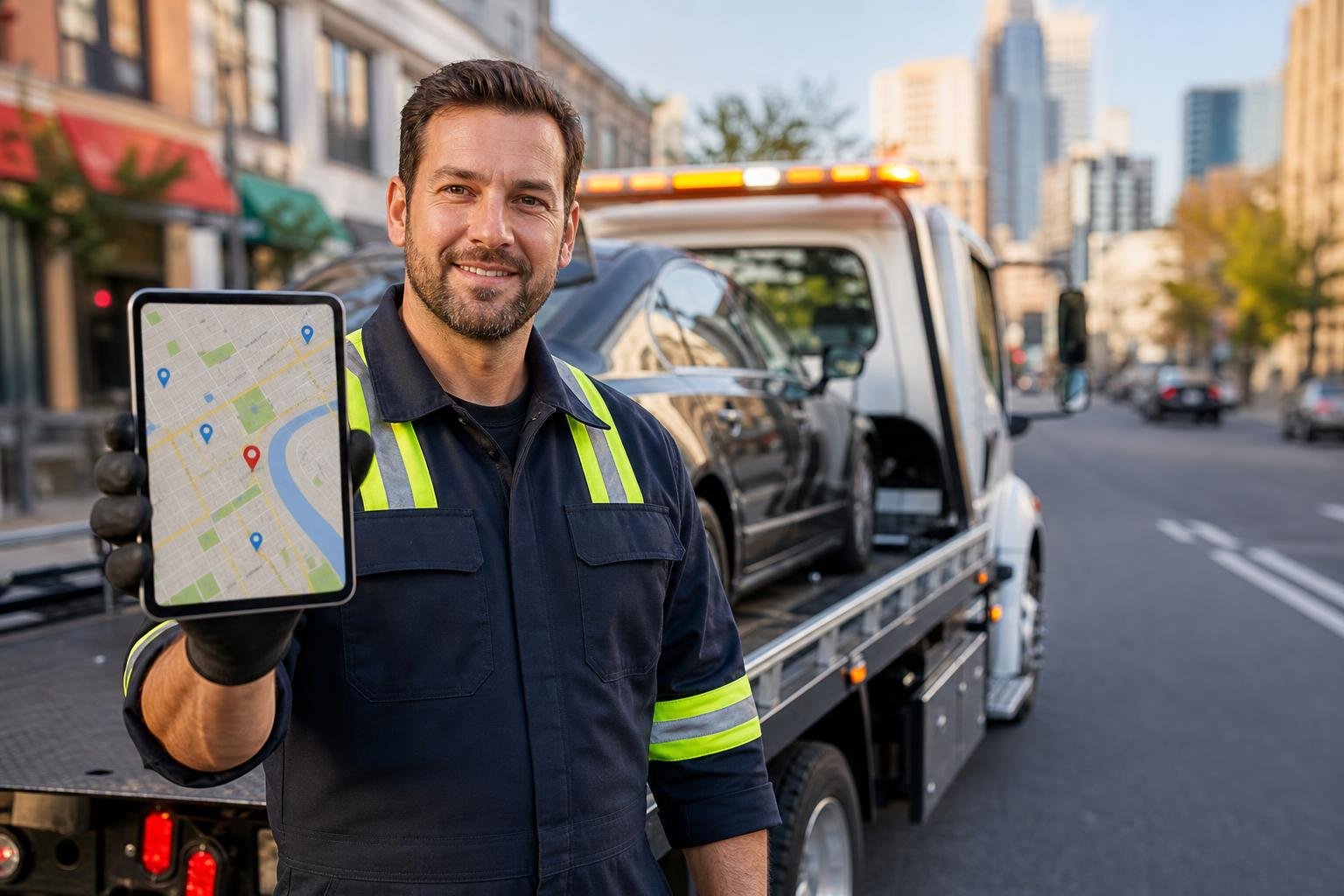
The towing industry runs on urgency, proximity, and trust. Google Maps and the local map pack bring those three together, and they decide which towing companies get the emergency calls and which ones get totally overlooked.
How Urgent Search Behavior Changes Towing Marketing
Towing searches aren't like most other local service searches. A driver with a flat tire or dead battery isn't comparison shopping—they need a tow truck now, not later.
Most towing-related search terms are urgent, hyperlocal, and geared toward making a purchase. People use keywords that signal emergencies, like "open now," "24 hours," or "towing service in [location]." Voice search is big too, especially from the side of the road. You'll hear queries like "emergency towing near me" more and more.
This urgency means ranking position matters even more in towing than in most industries. The first visible result gets the call. Every time.
Why the Local Map Pack Matters More Than General Traffic
For towing companies, the local map pack is worth way more than any organic ranking below it. The map pack sits right at the top, shows phone numbers, displays star ratings, and gives a click-to-call button on mobile.
If someone searches "towing service near me," they're almost always choosing from the top three map pack results. Sure, general website traffic from organic listings still helps, but it's not the main event. Owning the map pack is what brings in the bulk of emergency towing leads.
Broad SEO strategies that chase national keywords or high-volume info queries rarely move the needle for a towing business. You want to focus on the specific service area where your trucks actually roll.
When Local SEO Is Worth Paying For
Not every towing company needs to hire an outside SEO provider right away. If you're a one-truck operation covering a single city, you might be able to handle Google Business Profile basics and a few citations yourself.
Local SEO starts to make sense to pay for when:
- Your company covers several cities or a wide area.
- Competitors already own the top map pack spots.
- Call volume is stalled even though your reputation is solid.
- You just don't have time for listings, reviews, content, and technical stuff.
The investment pays off when you can clearly connect local search visibility to real revenue. If you average $150 to $300 per tow and pick up even five more calls a week from better rankings, it adds up fast.
Building the Right Local Search Foundation
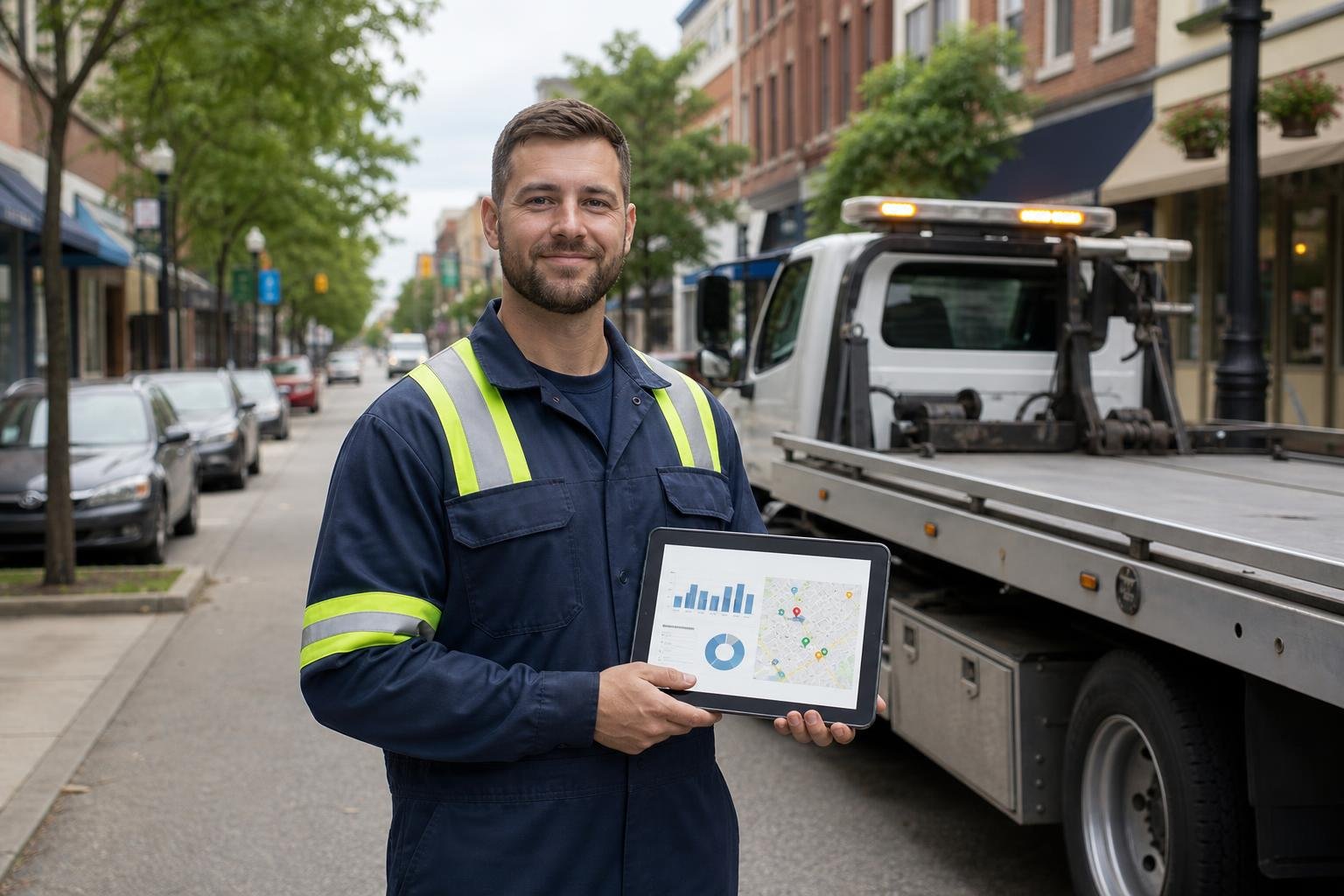
Google Maps rankings depend on foundational signals—relevance, distance, and prominence. For towing companies, you have to get these right. They’re not optional; they're the basics everything else builds on.
Google Business Profile Setup That Supports Rankings
Your Google Business Profile is the single most important asset for local SEO if you run a towing company. Google uses it to fill the local map pack, show your business details, and match you with nearby searches.
A complete profile needs:
- Accurate business name, address, and phone number
- Primary category set to "Towing Service" with relevant secondary categories
- Full service list—flatbed towing, jump starts, the works
- Business hours that show real availability, especially if you’re 24/7
- Photos of your trucks, team, and shop
- Regular Google Business Profile posts with updates and service news
Posting updates and photos regularly tells Google your business is active, and that can help rankings over time. A steady stream of customer reviews does the same. It shows both Google and potential callers that you’re real and trustworthy.
NAP Consistency Across Listings and Directories
NAP consistency means your business name, address, and phone number match exactly everywhere online. Even little differences—like "St." versus "Street" or a missing suite—can trip up Google and hurt your rankings.
Key directories for towing companies include:
- Google Business Profile
- Yelp
- Bing Places
- Apple Maps
- Towing.com
- Nextdoor
- Local chamber of commerce directories
If your info isn't consistent across these platforms, it can hurt your reputation and make it harder for customers to reach you. Doing a full audit of your existing citations is a smart first step before you start building new ones.
Choosing Categories, Service Areas, and Trust Signals
Picking the right Google Business Profile categories has a real impact on which searches your towing company shows up for. Always make "Towing Service" your primary category. Use secondary ones like "Roadside Assistance Service," "Vehicle Recovery Service," or "Wrecker Service" if they fit what you offer.
Set your service area to match your real dispatch radius. Too wide, and you lose relevance. Too narrow, and you miss out on business.
Trust signals—like a high review count, recent reviews, and real photos of your trucks and crew—help your profile stand out. They influence both Google's algorithm and the decision a caller makes in the moment.
Targeting High-Intent Services and Locations
Towing companies handle all kinds of jobs, from emergency roadside help to flatbed towing and vehicle recovery. Every service means a different set of keywords real drivers actually search. Matching your website content to those searches is what separates companies that get a steady stream of leads from those stuck relying on word of mouth.
Local Keyword Research for Emergency and Specialty Jobs
For towing, keyword research should focus on two things: service type and location. The best keywords combine both.
Here are some examples:
- "Emergency towing near me"
- "Flatbed towing service [city name]"
- "24-hour tow truck [zip code]"
- "Motorcycle towing [neighborhood]"
- "Winch-out service [county]"
Long-tail keywords like "how much does towing cost in [city]" catch drivers doing a little research before they call. These terms might not convert instantly, but they help you build visibility and trust over time.
It's smart to think about what makes your towing service different—heavy-duty towing, lockouts, battery jumps—and build keyword targets around those specialties.
Service Pages That Match What Drivers Actually Search
Every major service you offer should have its own dedicated page. Just listing everything in bullets on a single "Services" page isn't enough for Google to rank you for specific queries.
Good service pages include:
- A clear H1 with the service name and a location
- A short description of what the service is
- The areas you serve
- A big, easy-to-find phone number and click-to-call button
- Schema markup for the service and area
For example, a page called "Flatbed Towing in Brazoria County" gives Google a clear signal about what you do and where. That kind of specificity really matters for on-page SEO.
Using City, Neighborhood, and Drive-Time Coverage Pages
If you serve more than one city or cover a wide area, it pays to create location-specific pages. Each should target a different city or neighborhood with unique content—not just copy-pasting and swapping the city name.
Strong location pages talk about local landmarks, main driving routes, estimated response times, and the exact services you offer there. If you use drive-time mapping or trade-area analysis, you can pinpoint which zones to prioritize based on where your calls actually come from.
Providers like SEO My Website Guru use geo-grid analysis and drive-time mapping to help businesses see where they're visible and where they aren't. That makes it way easier to decide which location pages to build first.
Turning Clicks Into Calls From Stranded Drivers
Ranking in local search is just half the battle. If your towing company's website doesn't turn visitors into callers fast, that ranking doesn't do much for you. For emergency searches, the path from search result to phone call should be as short and frictionless as possible.
Mobile-First Design for Emergency Searches
Almost all towing searches happen on mobile devices. Drivers on the roadside are using their phones, not laptops. Google uses mobile-first indexing, so it ranks you based on your mobile site.
Your website needs to load fast on a weak cell connection, look good on small screens, and put your phone number right up front. If your page takes more than three seconds to load, most stranded drivers will just hit back and call someone else.
Fast pages, simple navigation, and a clean layout aren't just nice-to-haves. For towing, they're the difference between getting the call and losing it.
Click-to-Call Placement and Conversion Rate Optimization
Every page on a towing website needs a visible click-to-call button. On mobile, make the phone number tappable in the header, a sticky footer bar, and inside the main content.
Conversion rate optimization for towing isn’t just about slapping a button somewhere. It’s about making the call button pop with a contrasting color, showing business hours or “available now” messages, and cutting out any extra steps between landing and calling.
- Make the call button a contrasting color that stands out
- Show business hours and "available now" messaging
- Remove unnecessary steps between landing and calling
- Test different placements to find what drives the most calls
If you run a 24/7 towing service, hammer that fact home at every scroll. No driver wants to dig through menus just to find your number—make it easy.
Trust Elements That Increase Call Volume
First-time visitors scan for trust signals before picking up the phone. Show off customer reviews, photos of your trucks and uniformed operators, and clear service descriptions to help people feel comfortable.
Put your Google review rating front and center, add proof of insurance and licensing, and use real photos—not boring stock images. According to towing company lead generation analysis, trust matters because cars are a big deal for most people.
When you combine these elements—a fast site, clear phone number, and obvious social proof—you’ll see way better conversion rates than with a slow, generic page.
Technical SEO That Supports Map and Organic Visibility
You can have great content and a killer Google Business Profile, but technical issues under the hood can quietly sink your rankings. Technical SEO makes sure search engines can find, crawl, and trust your site.
Core Website Performance Fixes
Speed comes first, no question. Google’s Core Web Vitals measure loading, interactivity, and visual stability. If your towing website scores low on PageSpeed Insights, you’ll probably lose out to faster competitors.
Here’s what you can do:
- Compress images (especially truck photos) so they load fast but still look good
- Pick a fast, reliable hosting provider
- Enable browser caching and minimize code
- Make sure HTTPS is active with a valid SSL certificate
Don’t set and forget these fixes. Check site performance regularly, especially after you add new content or pages.
Schema Markup and Crawlability Essentials
Schema markup is structured data in your site’s code that helps Google understand what you do, where you operate, and what services you offer. For towing, LocalBusiness and Service schema are your go-tos.
An XML sitemap lets Google find all your pages quickly. Internal links between service pages, location pages, and your homepage help spread authority and make crawling easier.
Write unique title tags and meta descriptions for every page. Use relevant keywords and clearly describe what’s on the page. Lots of towing sites have duplicate or missing tags, but that’s a simple fix.
Tracking Results With the Right Reporting Tools
Any SEO effort needs clear measurement. Google Analytics tracks traffic, user behavior, and conversions. Google Search Console shows which keywords get you seen and clicked.
If you’re focused on local SEO, track these things:
- Local keyword rankings by city and zip code
- Google Business Profile actions like calls, direction requests, and website clicks
- Call tracking tied to specific landing pages and search terms
- Geo-grid ranking reports showing map pack visibility across your service area
Providers like SEO My Website Guru give you transparent dashboards showing exactly where you rank, how your visibility shifts, and what’s actually driving results. That’s the kind of clarity every business owner deserves from a local SEO partner.
What Good Local SEO Help Should Include
Picking the right SEO partner can mean the difference between steady growth and wasted money. Towing company owners should know what to look for and what real execution actually looks like before signing a contract.
Questions to Ask Before Hiring an SEO Provider
Before you commit, ask these questions:
- Do you use geo-grid analysis to show where I rank across my service area?
- How do you handle Google Business Profile optimization and updates?
- What’s included in your reporting, and how often do I get it?
- Can you show me results from other local service businesses?
- Do you reverse engineer competitors to find gaps?
The answers will tell you if the provider really understands local SEO or if they’re just selling cookie-cutter packages.
Red Flags in Towing SEO Packages and Reporting
Some warning signs should make you run, not walk, away:
- Guaranteed #1 rankings. Nobody controls Google’s algorithm.
- No access to reporting dashboards. If they won’t show you data, something’s off.
- Vague deliverables. “We’ll do SEO” isn’t a plan.
- Long-term contracts with no performance benchmarks. Good providers keep you by getting results, not locking you in.
- No mention of Google Business Profile or local citations. These are must-haves for local towing SEO.
This overview of towing marketing strategies for 2026 points out that the best strategies focus on high-intent traffic, local SEO, and real responsiveness.
What Transparent, ROI-Focused Execution Looks Like
A solid local SEO partner should offer a clear monthly workflow: Google Business Profile management, citation audits, review strategy, content updates, and reporting that connects directly to business results.
Reports should show rankings by location, map pack visibility, call and lead volume changes, and conversion trends. You shouldn’t have to guess if your investment’s paying off.
SEO My Website Guru, for example, builds its local SEO service around geo-grid analysis, competitor research, conversion-focused web design, and a 30-Day Results Guarantee tied to real progress. That’s the kind of accountability every towing company should expect.
Frequently Asked Questions
How can a towing company rank higher in Google Maps in its service area?
Start by fully completing and optimizing your Google Business Profile. Build consistent citations in local directories, collect customer reviews regularly, and make sure your website has dedicated pages for every service and location.
Geo-grid analysis can help you spot weak zones in your service area so you know where to improve.
What steps help a towing company generate more high-quality local reviews without violating platform rules?
The best move is to ask happy customers right after a job, either by text or a follow-up email with a direct link to your Google review page. Never offer discounts or gifts for reviews—Google’s strict about that.
Reply to every review, good or bad. It shows Google and future customers that you care and are paying attention.
Which local SEO factors matter most for towing and roadside assistance businesses?
The top three: relevance, proximity, and prominence. Relevance means your Google Business Profile and website match what drivers actually search for.
Proximity depends on how close the searcher is to your business. Prominence comes from reviews, backlinks, local citations, and staying active online. For towing, review speed and NAP consistency matter a lot since trust is everything in emergencies.
How should a towing company structure its service-area pages for multiple nearby cities?
Give each city or major area its own page with unique content. Use the city name in the title tag and main heading, describe the services you offer there, mention local landmarks or roads, and always include a click-to-call button.
Don’t just copy the same text and swap the city name—Google might see that as thin or duplicate content.
What is the best way to track calls and leads from local search for a towing company?
Use call tracking software that assigns unique numbers to each channel, like Google Business Profile, organic search, and paid ads. Google Business Profile Insights shows calls, direction requests, and clicks right from your listing.
Combine that data with Google Analytics and Search Console for a full picture of which keywords and pages are bringing in leads.
When is it worth hiring an SEO provider versus handling local SEO in-house for a towing company?
If your towing company covers more than one or two cities, or you're up against tough local competition, hiring an SEO provider usually pays off faster. It's tough to keep up with listings, reviews, content, and all those technical updates on your own—especially if you're short on time.
Managing local SEO in-house might work if you're running a single-truck operation with a tight service area. But as your business grows and you stretch into new neighborhoods, keeping up with local search gets overwhelming pretty quickly.